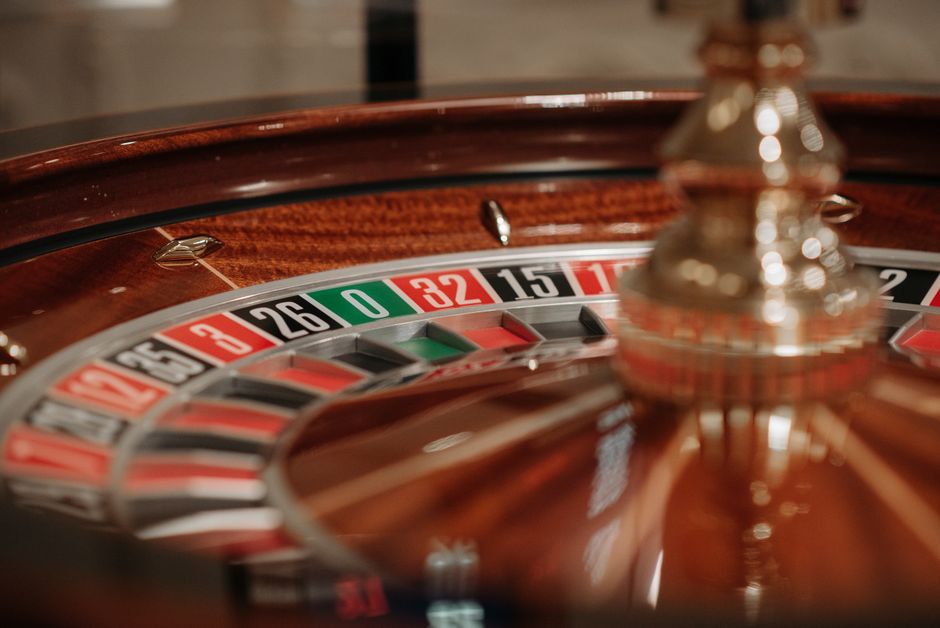


There's a moment every gambler knows. The screen flickers, the reels stop, and you're staring at a payout that's either going to make your night or quietly drain the rest of your week. That moment—half hope, half math—is what the entire iGaming industry is built around. And in 2025, that industry is bigger, faster, and trickier to navigate than it's ever been.
Whether you're spinning slots at 2 a.m., grinding a poker tournament, or building a same-game parlay on a Saturday afternoon, the same question matters: are you actually playing smart, or just playing? Most people never stop to ask. This article is for the ones who do.
Walk into any online casino forum and you'll see the same complaint: "This slot never pays." Nine times out of ten, the player picked a high-volatility game without realizing it. Volatility isn't a marketing buzzword—it's the single biggest factor in how a slot feels to play, and it has nothing to do with whether the game is "due" for a win.
Here's the rough breakdown worth memorizing:
RTP (return to player) is a separate metric. A 96% RTP slot returns 96 cents per dollar wagered over millions of spins. It does not mean you'll get 96% back in a session. Confusing RTP with short-term expectation is the most common mistake casual players make. If you have $50 to play with, choose low-volatility games and smaller bets. If you have $500 and two hours, high volatility becomes dramatically more interesting—not because it's better, but because your bankroll can absorb the swings.
Online poker has a reputation as the "skill game" of iGaming, and that's technically true. But the gap between a decent recreational player and a winning one is enormous. The players beating $1/$2 cash games today are using solvers, tracking software, and studying ranges in their spare time. Showing up with gut instinct and a favorite hand is a donation, not a strategy.
That doesn't mean you shouldn't play. It means you should play where you have an edge. Micro-stakes tournaments on sites like GGPoker or PokerStars still have plenty of soft fields, especially on weekday evenings. Sit-and-gos under $5 remain a reasonable hunting ground. What you want to avoid is jumping into mid-stakes cash games because you watched a YouTube highlight reel and felt inspired.
A few concrete habits that separate winners from losers:
If you've been playing for a year and you're break-even, that's actually an achievement worth respecting. Most players are down. Slight winners are rarer than they sound. If this is new to you, สล็อต is a sensible next read.
There's a seductive lie in sports betting: that you know something the market doesn't. Maybe you watched every game this season. Maybe you have a hunch about a team finally clicking. The reality is that sportsbooks employ quants, ex-traders, and data scientists who price lines within a fraction of a percent of true probability. The line isn't a guess—it's a consensus.
Where recreational bettors actually find value is not in picking winners, but in understanding where the market is inefficient. Prop markets, alternate lines, and live betting during chaotic game states tend to be softer than the main moneyline. Same-game parlays, despite being pushed hard by every operator, are almost always worse value than straight or simple two-leg bets, because the book builds in a much larger margin.
A useful habit: before placing any bet, ask what the implied probability is. A -200 line means 66.7%. A +150 line means 40%. If your own estimate of the true probability is lower than the implied probability, you're betting a loser over the long haul—even if it cashes tonight. Winning bets don't prove good decisions.
Welcome bonuses look generous until you read the terms. A 100% match up to $500 with a 40x wagering requirement means you need to bet $20,000 before withdrawing a cent of bonus money. On slots with 96% RTP, that's an expected loss of roughly $800 to clear the bonus. You're not getting free money—you're being sold a volume challenge.
Signals that a bonus is actually worth your time:
Cashback and reload offers are frequently better than welcome bonuses for regular players. A 10% weekly cashback with no wagering is worth more than a flashy 200% match with a 50x rollover, and it's not close.
Responsible gambling tools aren't there to ruin your fun. Deposit limits, session timers, and cool-off periods exist because the industry knows—statistically—that a meaningful percentage of players will lose more than they intended. Using them proactively is what separates a hobby from a problem.
Set a monthly deposit limit on day one, before you've ever had a losing session you want to chase. Decide in advance what a "good night" and a "stop-loss night" look like. Both matter. The players who last ten years in this space are the ones who treat it as entertainment with a defined cost, not as income waiting to be unlocked.
The iGaming world will keep getting smarter, flashier, and more personalized. The math underneath it won't change. Slots will always favor the house, poker will always reward study over hope, and sportsbooks will always know more than you do. What you control is how you play within that reality—and whether you're still having fun while you do it.

Copper Aster shares practical, down-to-earth guidance on practical uk gardening with aster flowers, copper-toned foliage, and seasonal border care. for readers across the UK.


Leave A Comment