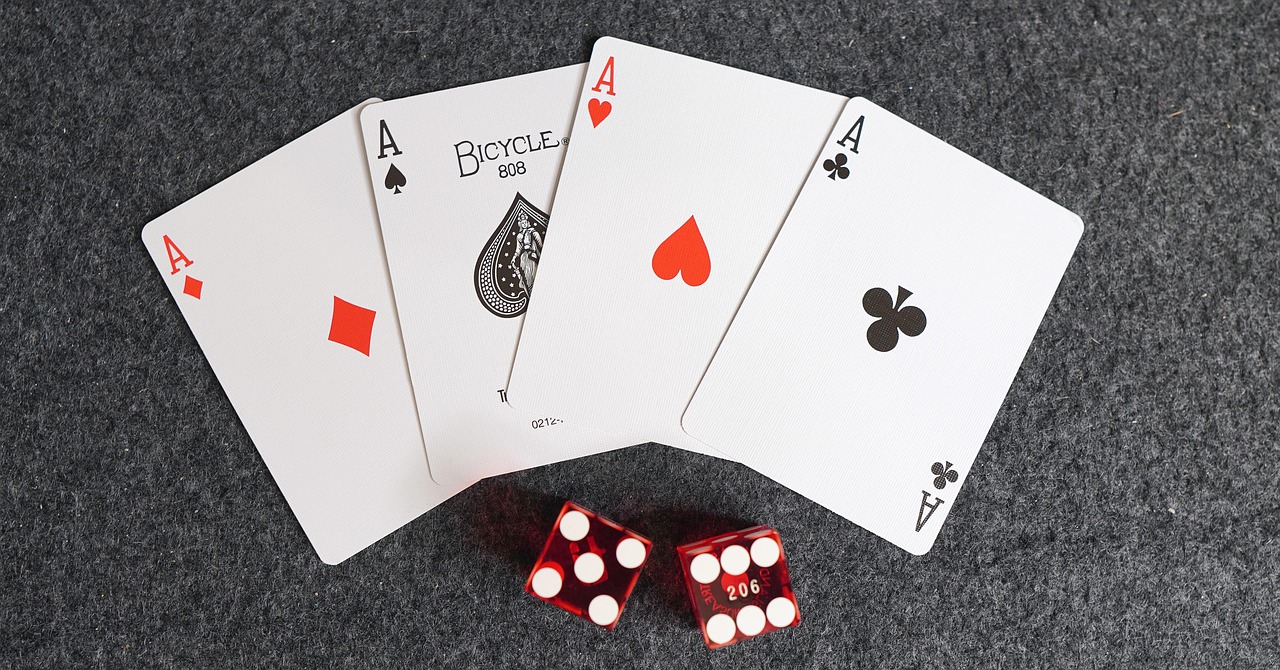


You’ve just lost three hands of blackjack in a row, all because the dealer pulled a five-card 21. Meanwhile, your friend sits down at the same table, plays basic strategy for twenty minutes, and walks away up $200. Was that luck? Skill? Or something else entirely?
In iGaming, the line between chance and ability is blurrier than most players admit. It matters because it shapes how you choose games, manage your bankroll, and even how you cope with losing streaks. Let’s break down where skill actually lives in casino games, betting, slots, and poker — and why understanding the mix can make you a sharper player.
Every casino game carries a built-in mathematical advantage for the house. That’s not a bug; it’s the business model. But the size of that edge varies wildly, and it’s the first place skill enters the picture — not in beating the game, but in choosing which game to play.
A skilled player doesn’t change the math of the wheel or the deck. But they choose the lowest-edge options and avoid sucker bets like the tie bet in baccarat (14.4% edge) or the insurance bet in blackjack (often over 5%). That’s a skill — game selection — and most casual players ignore it completely. This is explained well on สล็อต.
Let’s be honest: no amount of tapping the screen faster will change a slot’s volatility. But there is skill in slots, just not in the spin itself. It shows up in three places:
So next time you hear someone say ‘slots are pure luck,’ nod — then ask them if they’ve ever checked the RTP on their favorite machine. The smart ones have.
If there’s a pure skill game in iGaming, poker is it. Yes, you get dealt bad cards. Yes, you suffer bad beats. But over 10,000 hands, the better player wins. That’s why professional poker exists and professional roulette doesn’t.
What separates a winning poker player from a losing one?
The variance in poker is brutal in the short term. A 60% favorite loses 40% of the time. But in the long run, skill compounds. That’s why poker is the only iGaming vertical where a dedicated player can realistically turn a profit without a bonus or a jackpot.
Sports betting sits somewhere between poker and slots. You can’t control the bounce of a ball, but you can control which bets you place. Sharp bettors don’t guess; they calculate.
Consider this: a casual bettor puts $50 on their favorite team because they ‘feel good’ about it. A sharp bettor looks at injury reports, travel schedules, weather, and line movement — then decides if the odds offer value. Over a season, that difference shows up in the bankroll.
Key skills in betting:
Still, luck plays a massive role in any single bet. A bad call by a referee or a last-second Hail Mary can flip your entire weekend. The skill is in the process, not the result.
Blackjack is the casino game where skill matters most — but only up to a point. Basic strategy can reduce the house edge to near zero. Card counting can flip it in your favor, but only if conditions are right: favorable rules, deep penetration, and no heat from the pit boss.
For the average online player, card counting is impractical. Shuffling machines and continuous shufflers kill the edge. So what’s left? Decision discipline. Knowing when to hit, stand, split, or double down based on the dealer’s upcard and your hand. That’s a skill. It won’t guarantee a win on any given night, but it will stretch your bankroll and lower the house’s take.
The trap is thinking you can ‘feel’ a hot deck. You can’t. The cards don’t remember the last hand. The moment you start playing hunches, you’re back to luck.
If you want to treat iGaming as entertainment, luck is fine. Spin the slots, enjoy the ride, and set a loss limit. But if you want to maximize your chances over time, lean into the skill side:
The casinos don’t fear luck. They fear players who understand variance, manage their money, and quit while they’re ahead. That’s the real skill in iGaming — not beating the game, but managing yourself within it.

Copper Aster shares practical, down-to-earth guidance on practical uk gardening with aster flowers, copper-toned foliage, and seasonal border care. for readers across the UK.


Leave A Comment