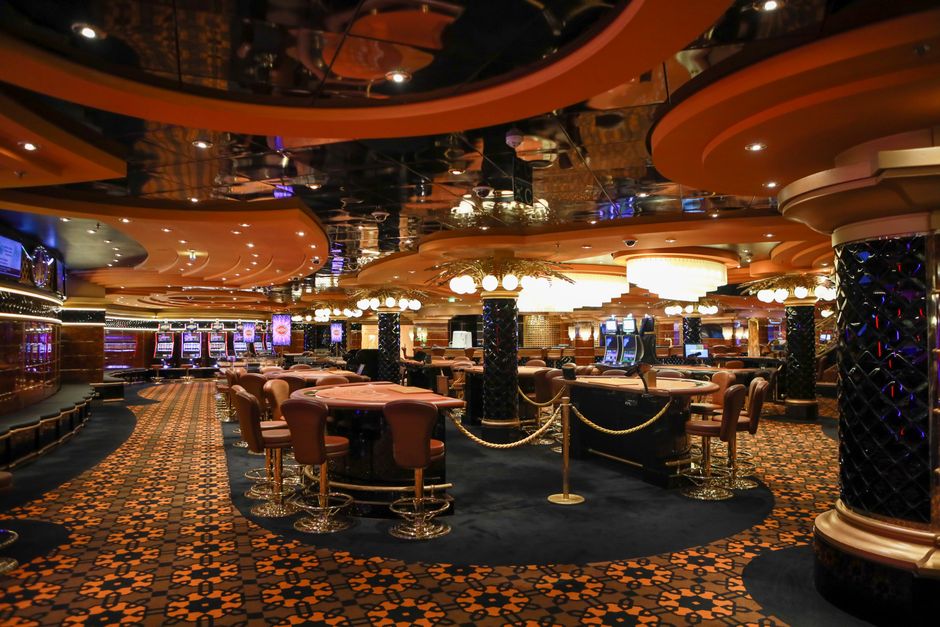


Walk into any casino in Macau, Las Vegas, or Monte Carlo and you'll notice the same thing: a sea of people staring at glowing screens, convinced that the next spin, deal, or dice roll is somehow meant for them. The house edge doesn't care about your gut feeling. And yet, millions of us keep coming back, because the psychology of iGaming is as fascinating as the mathematics behind it. Whether you're rolling on a progressive slot, bluffing your way through a poker tournament, or sweating a four-team parlay, the modern gambling landscape is a strange blend of chance, skill, and storytelling.
Slots are the unglamorous engine that powers the entire industry. In most regulated markets, they generate somewhere between 70 and 85 percent of casino gaming revenue. The reason is simple: there is no skill involved, no dealer to read, no table to leave when the cards go cold. Just you, a button, and a random number generator (RNG) spitting out thousands of outcomes per second.
What most players don't realize is that every spin is completely independent. A machine that hasn't paid out in three hours isn't "due." Conversely, one that just hit a jackpot isn't "dead." Each spin has exactly the same probability as the last. That's the gambler's fallacy in its purest form, and it's the reason casinos can offer free drinks and comped rooms without losing a dime on the math.
Here's what actually matters when you evaluate a slot:
The best slots strategy isn't a strategy at all—it's discipline. Set a loss limit before you spin. When it's gone, walk away. The RNG cannot be tricked, no matter what the guy at the end of the bar tells you.
Poker is the beautiful anomaly of the gambling world. You're not playing against the casino; you're playing against other people. The house takes a rake—typically 5% to 10% of each pot, capped at a few dollars—but the actual game is skill versus skill. That means a strong player can, over time, earn a genuine profit. No other casino game offers that.
But "skilled" doesn't mean "lucky." Here's what separates the long-term winners from the players who reload every Friday night: Some of the clearest guidance on this comes from สล็อต.
The rise of online poker in the early 2000s created a generation of players who could grind 12 tables at once and track every stat. Today, solvers and AI have pushed high-stakes poker to near-theoretical perfection. The edges are thinner, but for recreational players, the fundamentals still win money against weaker opponents.
Sports betting has exploded in the last decade, particularly in the United States after the 2018 Supreme Court decision opened the door for states to legalize it. The appeal is obvious: you already watch the games, so why not have a little something riding on them? But the transition from fan to bettor is where many people get humbled.
The bookmaker's edge—known as the vig or juice—is typically around 4% to 5% on a standard point spread. That doesn't sound like much until you realize you need to win roughly 52.4% of your bets just to break even. Most recreational bettors hover around 50%, which means they slowly bleed money while believing they're "almost" profitable.
Sharp bettors focus on a few things:
The biggest mistake? Chasing losses with parlay bets. A five-team parlay pays great, but the house edge compounds with every leg. It's entertainment, not an investment strategy.
The iGaming industry has evolved far beyond static reels and poker tables. Live dealer games—streamed from studios with real croupiers—bring the social aspect of a physical casino into your living room. Games like Crazy Time and Monopoly Live blend slots with game-show elements, and their RTPs are often better than standard slots. Meanwhile, crash games like Aviator and Bustabit have created a new genre where players decide when to cash out before the multiplier crashes to zero. It's simple, social, and psychologically addictive because you control the moment of exit—or the moment of disaster.
These formats are popular for a reason: they feel interactive in a way that spinning a slot machine doesn't. But the underlying math is the same. The house always has an edge, and no amount of tapping the screen faster will change that.
There's nothing wrong with enjoying iGaming. A poker night with friends, a small bet on your favorite team, or a few spins on a slot you find entertaining—these are legitimate pleasures. The danger comes when the illusion of control eclipses reality. Slots are random. Poker rewards skill but punishes ego. Sports betting is beatable only for a select few who treat it like a job. The people who last in this world aren't the ones chasing jackpots; they're the ones who understand the math, set limits, and walk away when the fun stops being fun. The house edge is real, but it only wins if you let it run your life.

Copper Aster shares practical, down-to-earth guidance on practical uk gardening with aster flowers, copper-toned foliage, and seasonal border care. for readers across the UK.


Leave A Comment